Why a Barrier Repair Cream Deserves a Spot in a Real Routine
When skin starts feeling tight, flaky, dull, or a little more reactive than usual, the answer is not always a longer routine. Sometimes it is a better finishing cream. A good barrier repair cream helps your skin feel more comfortable at the end of the day and gives your routine a smoother, more cushioned finish.
If you are shopping for a moisturizer for dry skin, it helps to look beyond the word “hydrating.” Texture, layering, and how a cream fits into the rest of your routine all matter. Dermatology resources from the American Academy of Dermatology and the Cleveland Clinic are useful reminders that the best moisturizer is the one that suits your skin type and routine order, not just the one with the fanciest claims.
What Makes a Barrier Repair Cream Different?
A barrier repair cream is typically richer and more comforting than a lightweight lotion or gel moisturizer. It is made to help seal in hydration and leave the skin feeling softer, smoother, and less stripped after cleansing or treatment steps.
Signs you may prefer a richer cream
- Your skin feels tight soon after washing
- Makeup sits unevenly on dry patches
- Your cheeks or jawline look dull or rough
- You want a cream that feels more cushioning than airy
- Your skin likes a more protective finish at night
A nourishing face cream is especially helpful if you want your moisturizer to do more than simply disappear on contact. Many people with dry or dehydrated skin like a cream with a plush, melt-in texture because it adds comfort without making the routine feel heavy.
What to Look For on the Ingredient and Texture Level
You do not need a long ingredient list to find a good cream. Focus on how the formula feels and what role it plays in your routine.
Helpful texture cues
- Smooth, balm-like slip that spreads easily
- A finish that feels moisturizing but not greasy
- Enough richness to wear comfortably at night
- A layer that works under SPF in the morning without pilling
Routine-friendly ingredient themes
The AAD skin care products guide is a good starting point for understanding how different product types fit together. In general, look for a cream that supports hydration and comfort with ingredients commonly used in moisturizer formulas, rather than chasing aggressive actives in a finishing step.
For dry or stressed-looking skin, people often prefer creams that help the face feel:
- More cushioned
- Less stripped after cleansing
- Better sealed in with moisture
- Comfortable enough for daily use
Where PDRN Cream Fits in a Modern Skincare Routine
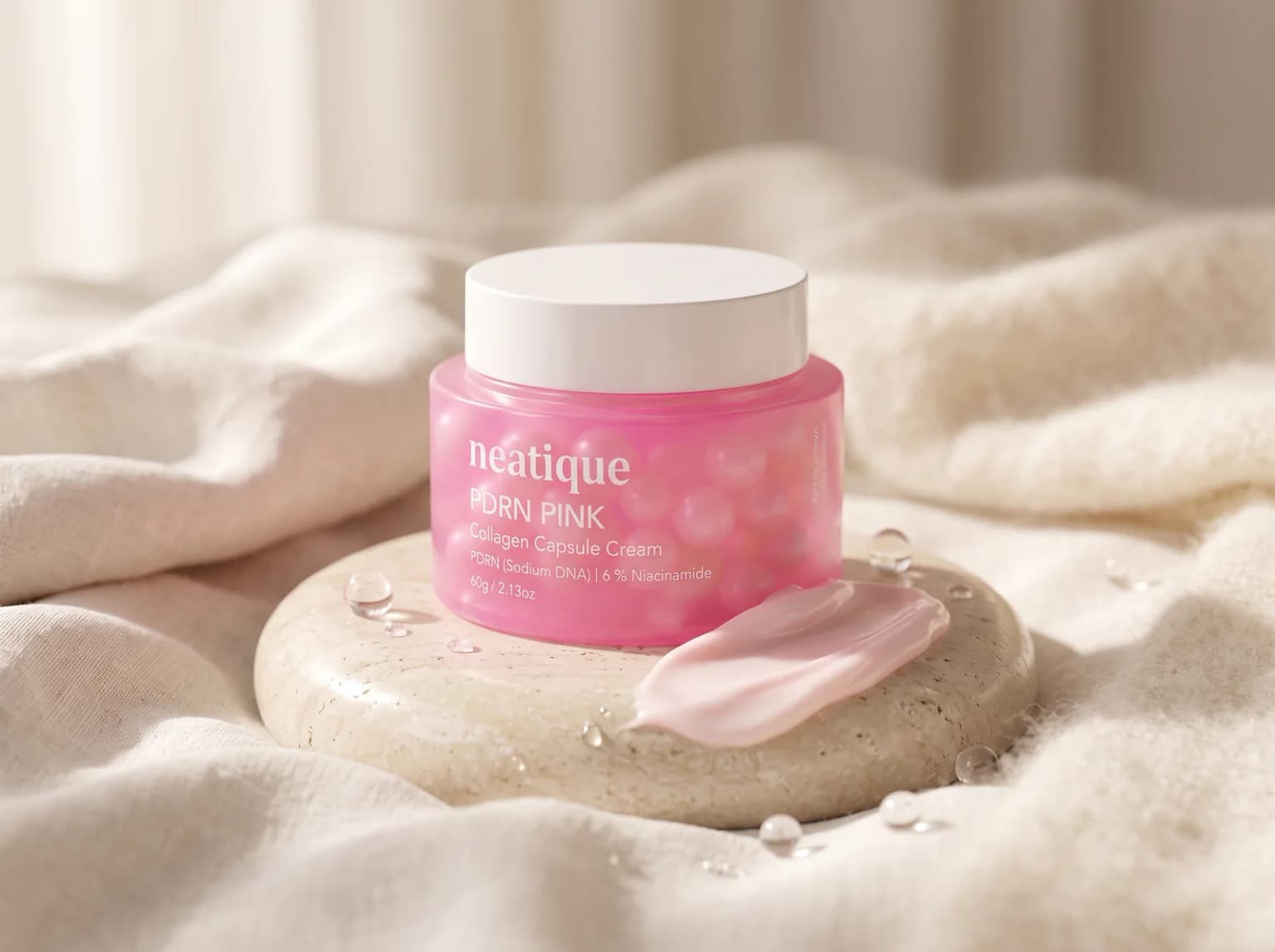
Neatique PDRN Cream is designed as a daily repair cream for calm, comforted, resilient-looking skin. It has a nourishing, melt-in texture that wraps the skin in moisture and bounce, which makes it a strong fit for anyone who wants a finishing cream that feels substantial without being overly heavy.
Because it is made for skin that needs visible comfort, density, and daily recovery support, PDRN Cream works well as:
- The final step in an evening routine
- A richer moisturizer for dry or dehydrated skin
- A comfort layer after cleansing and serum
- A morning cream under SPF when you want a more cushioned base
If you already use a serum, this cream can be the step that helps everything feel sealed in. It also pairs well with PDRN Serum for a layered bounce routine when you want your skincare to feel a little more polished and complete.
How to Build a Routine Around a Barrier Repair Cream
You do not need a 10-step routine to get more out of a cream. A simple order can make a big difference in how your skin feels.
Simple evening order
1. Cleanse gently 2. Apply serum if you use one 3. Follow with barrier repair cream 4. Finish with facial oil only if your skin truly needs it
Simple morning order
1. Cleanse or rinse 2. Apply serum if desired 3. Use your cream 4. Finish with SPF
If you are unsure where to place your moisturizer, the Cleveland Clinic’s guide on proper skin care product order is a helpful reference. In general, thinner textures go first and richer creams go later.
Who Usually Likes a Cream Like This?
A nourishing cream is often a great match for people who want their skincare to feel more supportive and less fussy.
You may especially like a barrier repair cream if you have:
- Dry or dehydrated skin
- Skin that feels stressed after cleansing
- A preference for richer night cream textures
- Skin that looks tired and wants a more rested finish
- A routine that needs a dependable final step
PDRN Cream is especially appealing if you want comfort and bounce in one product. It brings that finishing-cream feel without turning your routine into something complicated.
Common Mistakes to Avoid When Choosing a Moisturizer
A lot of people buy the wrong cream because they focus only on how “hydrating” it sounds. Instead, think about how you actually want the product to behave.
Avoid these missteps
- Choosing a cream that is too light for your skin’s needs
- Using too many active products and skipping a comfort step
- Applying moisturizer only when skin already feels dry
- Layering so many products that your cream pills under SPF or makeup
- Expecting one cream to replace every step in your routine
A good moisturizer for dry skin should make your routine easier to stick with. If a cream feels pleasant, layers well, and leaves skin looking smoother and more balanced, you are more likely to use it consistently.
FAQ
Is a barrier repair cream the same as a night cream?
Not always. A night cream is simply a cream used in the evening, while a barrier repair cream is chosen for its comfort-first, moisture-sealing feel. Some products can do both jobs well.
Can I use a rich cream in the morning?
Yes. If your skin likes a more cushioned finish, use a thin layer and allow it to settle before SPF. A cream like PDRN Cream can work well under sunscreen when you want added comfort.
Should dry skin always use the richest cream available?
Not necessarily. The best cream is the one that feels comfortable, layers well, and suits your climate, routine, and skin preferences.
What makes PDRN Cream a good fit for a comfort-focused routine?
Its melt-in texture and nourishing finish make it a practical choice when you want a cream that supports daily moisture, feels soothing in the routine, and helps skin look more rested and refined.
Final Takeaway
If your skin has been asking for more comfort, a well-chosen barrier repair cream can make a noticeable difference in how your routine feels. Look for a texture that seals in moisture, layers cleanly, and fits the time of day you plan to use it.
Neatique PDRN Cream is a strong option for anyone who wants a nourishing finishing cream with a soft, cushiony feel. It is an easy place to land when your skin wants daily support, more bounce, and a calmer-looking finish.